Heritage chickens aren’t just birds — they’re living history. Every hen or rooster you see scratching in the yard once started as a tiny egg with a big destiny. Let’s take a walk through the amazing life cycle of a heritage chicken, from egg to full-grown hen.
Stage 1: The Egg
It all begins with a carefully laid egg. Heritage breed hens don’t lay as frequently as commercial breeds, but what they do lay is extra special. Each egg holds everything needed for a new life — snugly protected inside a strong shell.
(Fun Fact: Depending on the breed, heritage chickens can lay eggs in shades of cream, brown, blue, or even green!)
Stage 2: Incubation
For 21 days, the egg is kept warm either by a broody hen or in an incubator. Inside, the chick slowly forms — first the heartbeat, then the tiny beak, wings, and feet. By the end of three weeks, the chick is ready to meet the world.
(Fun Fact: A mother hen will turn her eggs up to 50 times a day to keep the chick developing evenly.)
Stage 3: Hatching
This is the big moment! Using an egg tooth (a tiny bump on its beak), the chick “pips” through the shell. It’s hard work — sometimes taking 24 hours or more. Finally, the little fluff ball emerges, tired but ready for life outside the shell.
Stage 4: Chickhood (0–6 Weeks)
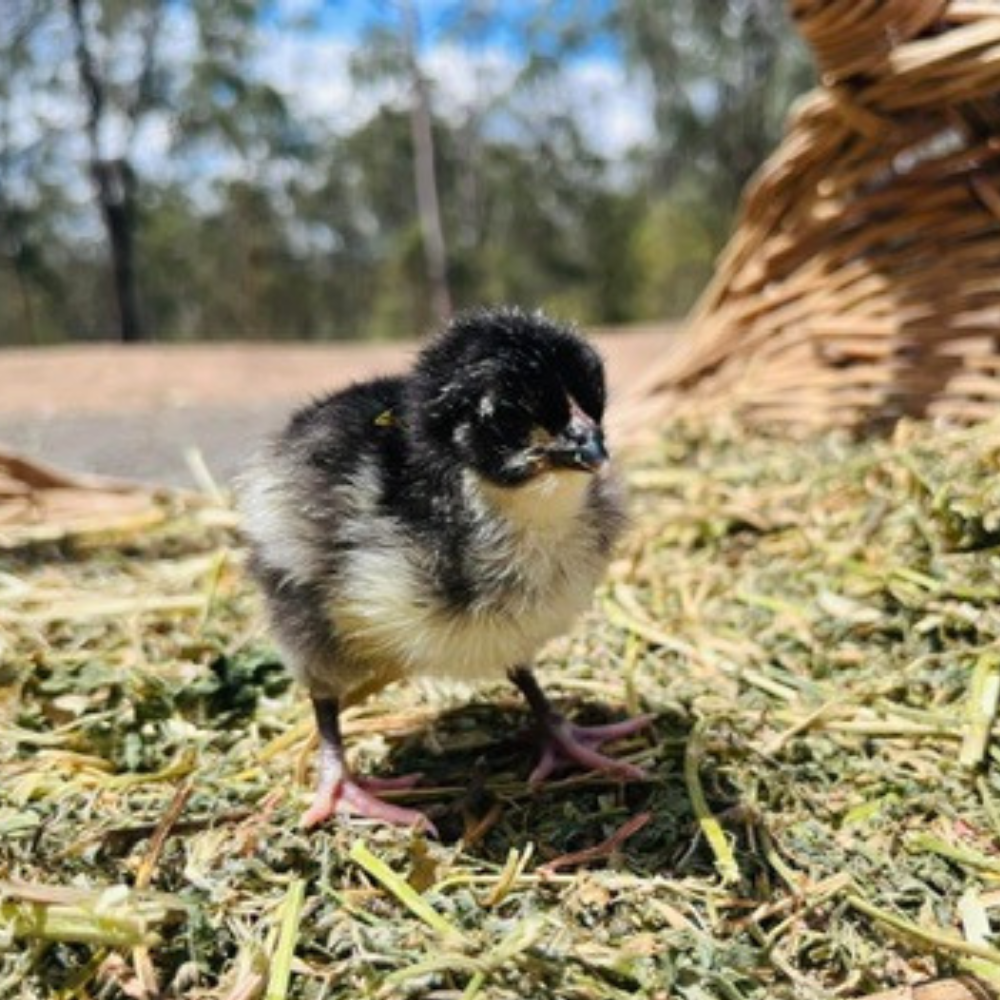
Chicks are curious explorers from day one. They huddle together for warmth, peep constantly, and love discovering food and water. Heritage chicks are usually slower growing than modern breeds, but that patience leads to healthier, hardier adults.
(Fun Fact: Chicks start growing real feathers in just a few days — it’s like watching a mini makeover every week!)
Stage 5: Pullets and Cockerels (6–20 Weeks)
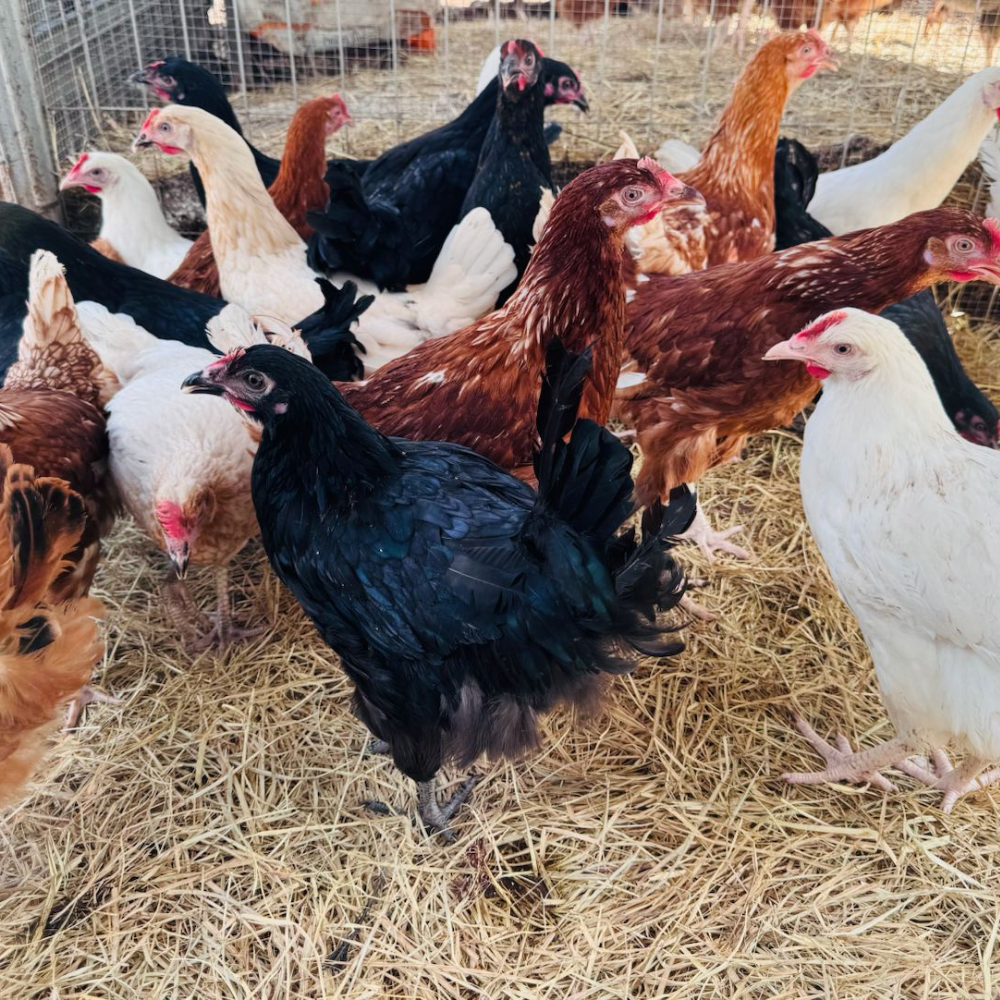
As the chicks grow, they’re known as pullets (girls) and cockerels (boys). This is when personalities shine through — some are bold leaders, others are gentle followers. They also start to show off the distinct feather colors and patterns unique to their heritage breed.
Stage 6: The Hen or Rooster
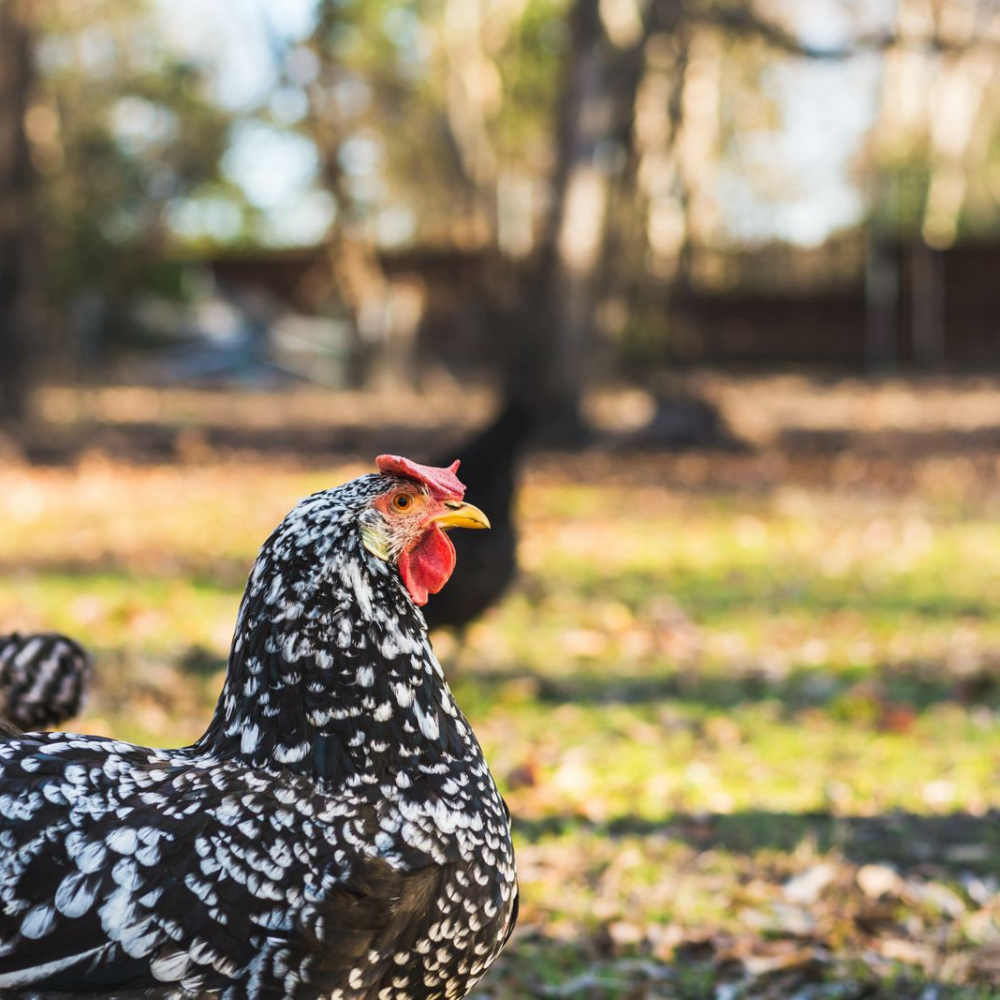
At around 5–6 months, pullets become hens and begin laying their first eggs, while cockerels grow into proud roosters. Heritage chickens are known for their longevity, strength, and natural beauty. They’re not just farm animals — they’re living traditions, passed down from generation to generation.
Why This Journey Matters
Raising heritage chickens is about more than eggs or meat. It’s about preserving breeds that have been around for centuries, supporting biodiversity, and connecting with the way farming used to be.
When you bring heritage chickens into your flock (or onto your plate), you’re becoming part of that story — from egg to hen, and beyond.